Spaces of peripheralization: extractivism, pollution and environmental future in Southeastern Europe

from Ger Duijzings, Professor of Social Anthropology (University of Regensburg).

Environmental issues in Southeastern Europe are finally gaining the attention they deserve, also because the authorities tend to remain inactive – or even wilfully blind – in the face of environmental challenges. Often, there is a pronounced discrepancy between official declarations and realities on the ground. This issue has an important spatial dimension both on the local and the European level: environmental burdens are often unequally distributed between centres and peripheries. This means for example that the ‘old’ EU member states tend to offload environmental problems onto Southeastern Europe, where environmental policies are non-existent or not implemented all too stringently.

Problemele de mediu din Europa de Sud Est încep, în sfârșit, să primească atenția pe care o merită, mai ales deoarece autoritățile tind să rămână inactive – sau chiar „wilfully blind”– în fața provocărilor. Adesea există o discrepanță pronunțată între declarațiile oficiale și realitățile din teren. Această problemă are o dimensiune spațială importantă atât la nivel local, cât și european: poverile de mediu sunt adesea distribuite inegal între centre și periferii. De exemplu, statele „vechi”, membre ale UE, tind să transfere problemele de mediu către Europa de Sud Est, unde politicile de mediu sunt inexistente sau nu sunt strict aplicate.

Environmental issues in Southeastern Europe are finally gaining the attention they deserve, ‘helped’ by the fact that authorities tend to remain inactive in the face of various environmental challenges. Often, there is a pronounced discrepancy between official declarations and realities on the ground. A telling example is Montenegro, a country that defines itself as an ‘ecological state’ (in Art. 1 of its Constitution) but has done little to live up to the name, as the journalist Samir Kajošević wrote in 2021. Moreover, this problem is not limited to Southeastern Europe: some core EU member states such as Germany and Italy show a similar degree of duplicity, making a farce out of well-intentioned EU environmental policies.

This issue has important spatial aspects, such as the question of how environmental burdens are distributed between centres and peripheries. The centres, represented by the old member states of the EU, tend to offload environmental problems onto the peripheries, which are the spaces where environmental policies are suspended or not taken all too seriously. These ‘spaces of peripheralisation’ are not only located in remote parts of the world, but also within Europe itself – in Eastern and Southeastern Europe, for example, where the European centre is complicit in producing environmental hazards by exporting its waste to countries such as Romania, Bulgaria, Albania and Turkey. This is largely concealed through forms of symbolic ‘othering’, in which Eastern and Southeastern Europe are presented as endemically corrupt and polluted, while the West supposedly gets things right. These practices go back to the socialist period, when Eastern European countries such as Hungary or the GDR accepted toxic waste from the West in exchange for hard currencies (Gille 2007).

Another recent example of the rift between declarations and realities is the lithium mining project in the Jadar valley in Serbia. Although the Serbian government initially stalled the extraction of lithium due to popular protests, the project was revived in response to EU (especially German) pressure and demand for lithium — of vital importance for electric car batteries. In 2024, rather than addressing local environmental concerns, EU officials visited Belgrade to sign a strategic agreement with the Serbian government. My former colleague Eric Gordy (UCL) summed it up nicely: “The EU man. You tell them democracy is in the EU charter. They say yeah, sure, but look at that nice lithium.” (Bluesky, 28 Jan 2025). Despite all the talk about EU environmental standards, Serbia is ultimately not bound by them, and so the multinational mining company Rio Tinto licensed to extract the lithium will be able to operate without meeting such standards. The true (but hidden) cost of our ‘green transition’ is externalised onto vulnerable communities in Serbia.

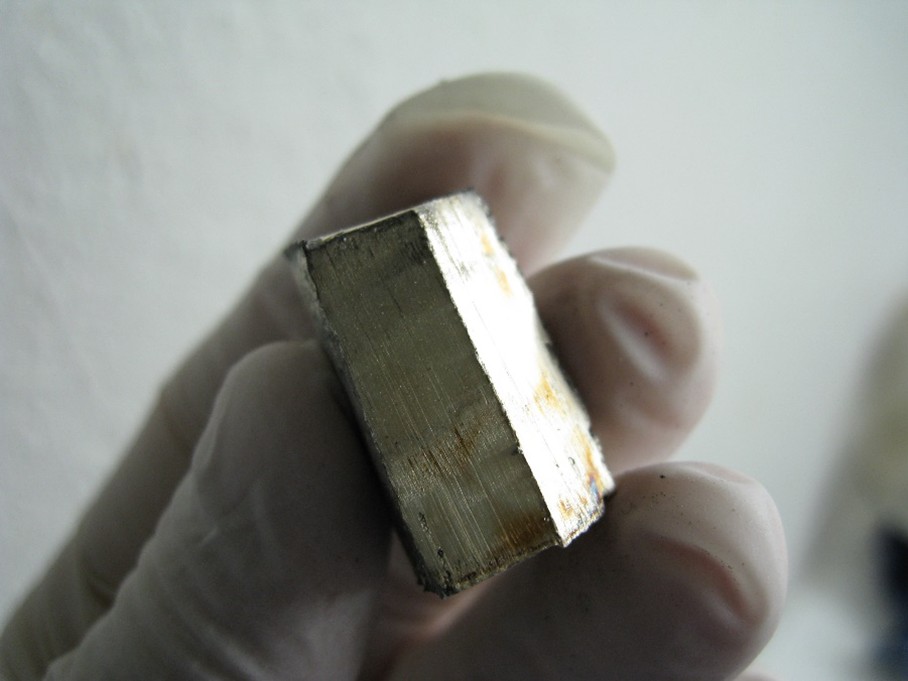
A sample of freshly cut lithium. (© Dnn87, CC BY 3.0, via Wikimedia Commons)

The construction of Vlora Airport in Albania further illustrates the instrumentalisation of Europe’s peripheries. Perilously close to the Vjosa river and the Narta Lagoon, the airport construction actively endangers a unique and protected ecosystem. The project promises to boost tourism and property development in Albania, one of the fastest growing tourist destinations in Europe, and has been supported by international investors and project developers such as Donald Trump’s son-in-law Jared Kushner and Munich Airport International MAI (shareholders are the Free State of Bavaria, the Federal Republic of Germany, and Bavaria’s capital Munich). This convergence of local and international business interests clearly shows how a nature reserve is being sacrificed for profit.

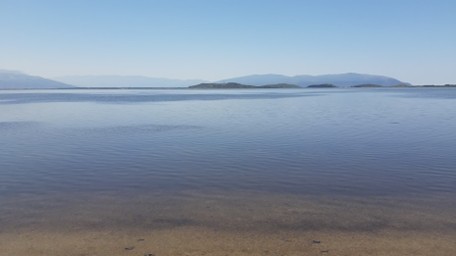
Narta Lagoon, a protected area north of Vlora, Albania. (© Ger Duijzings, June 2024).
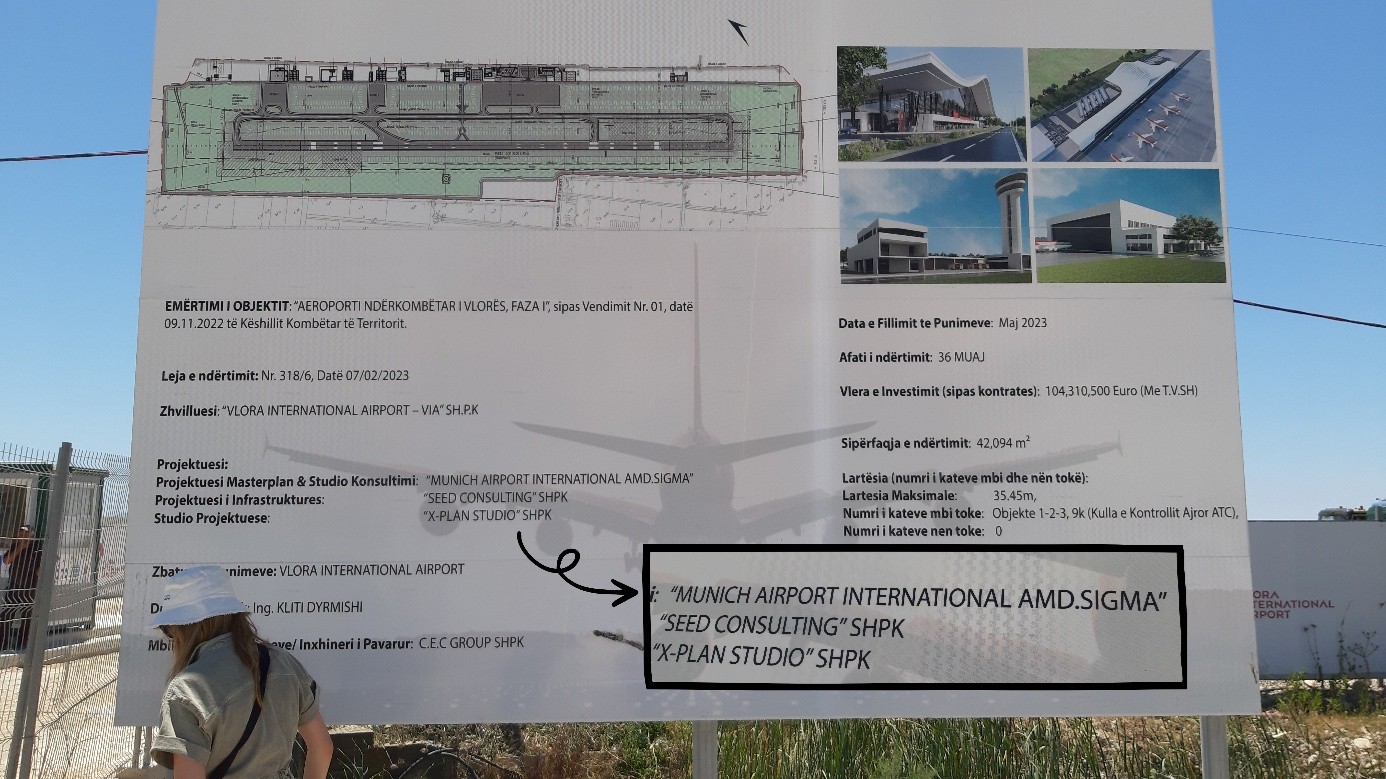
Information board at the Vlora Airport construction site, listing Munich Airport International as the masterplan designer (© Ger Duijzings, June 2024).

A third example, unrelated to the EU, is the copper mine in Bor, Serbia, now operated by the Chinese state-owned company Zijin. Eight thousand Chinese workers have been flown in to extract the copper there, working under Chinese supervision and subject to extraterritorial policing powers which override Serbian laws. Meanwhile, labour and environmental laws are also being circumvented — another case of unchecked extractivism, this time by a rising global power that harbours growing economic interests in the region.

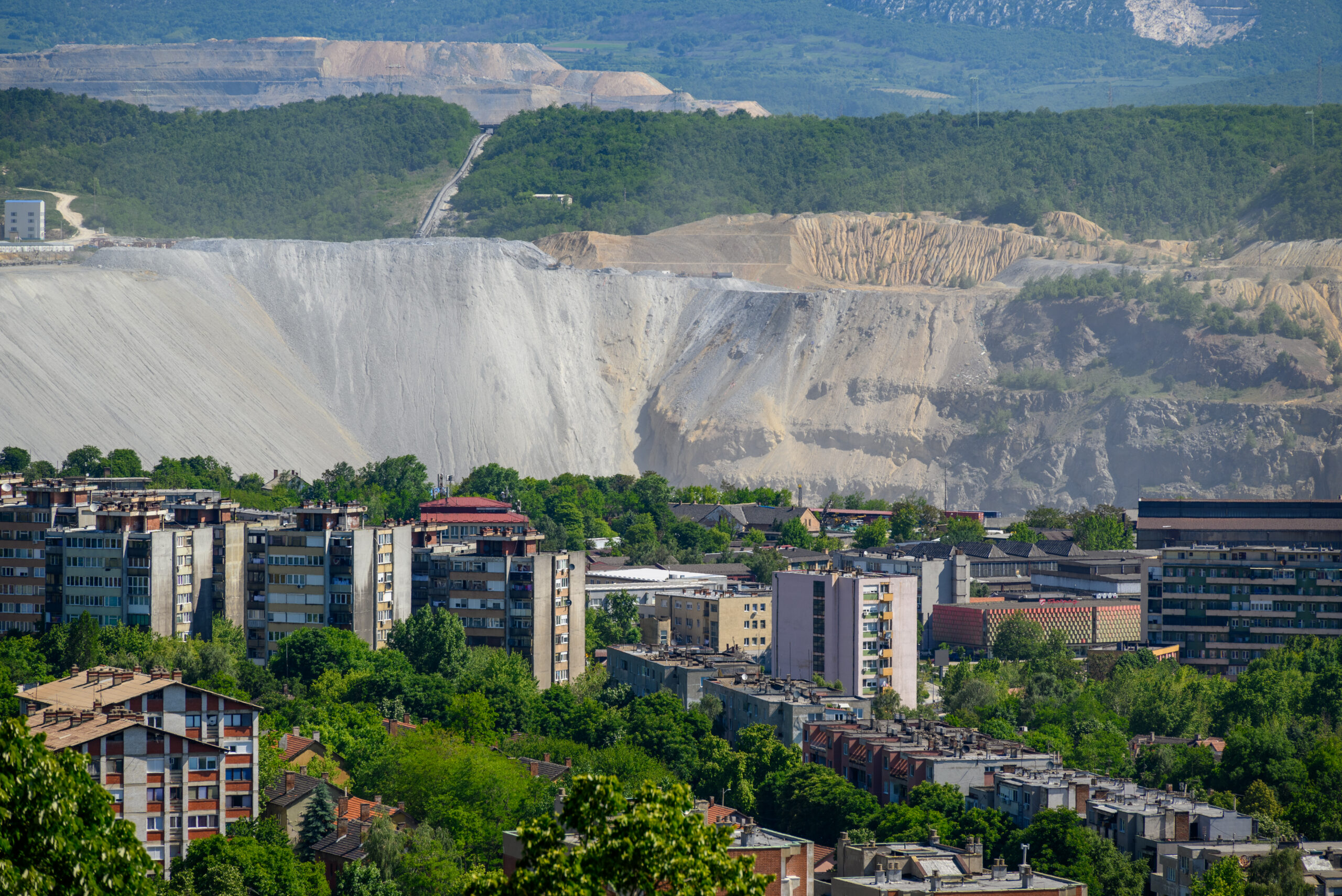
The town of Bor in eastern Serbia with the copper mine in the background (© Mirko Kuzmanovic, June 2025, iStock)
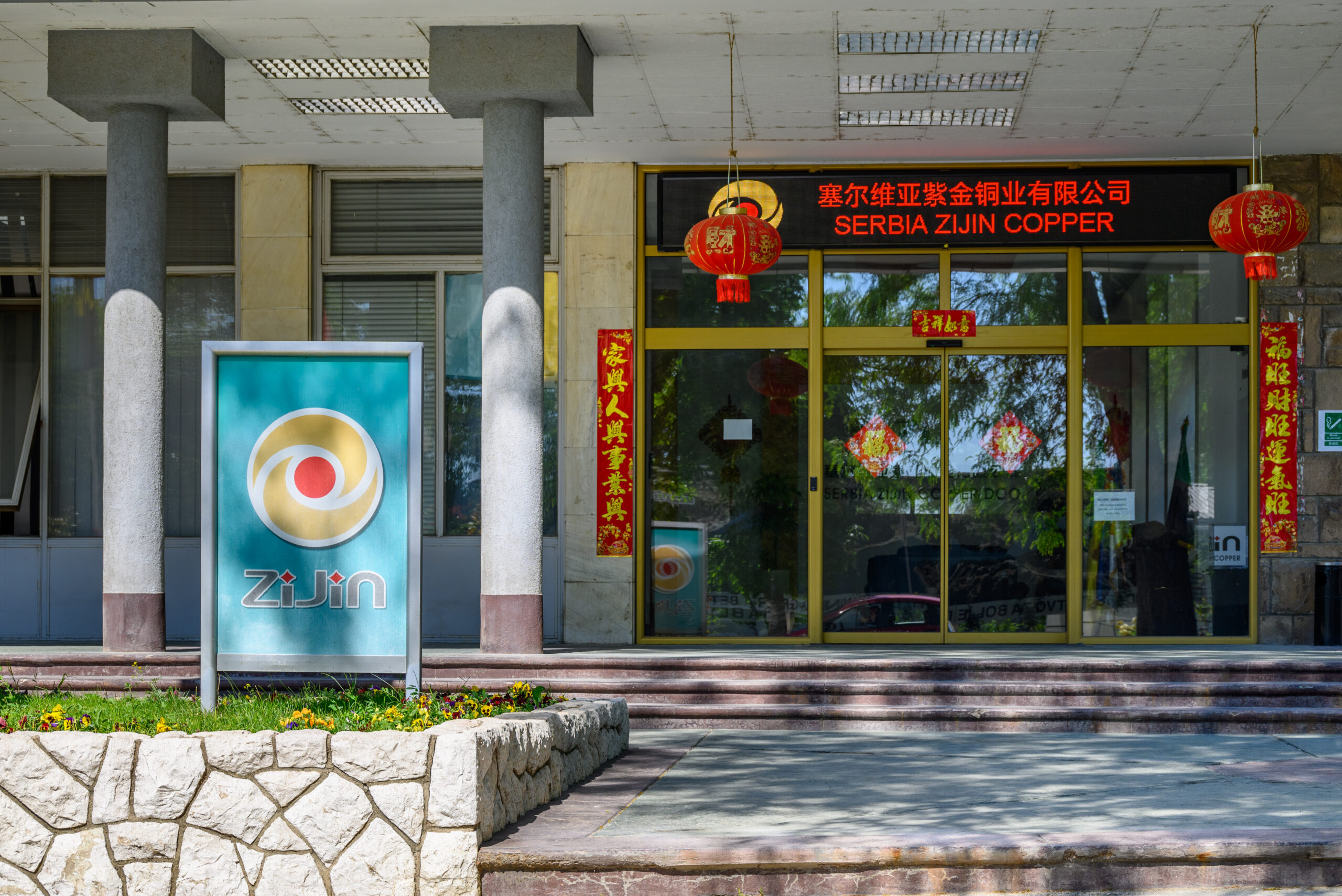
Head office of the Chinese Zijin Mining Group in Bor. (© Mirko Kuzmanovic, June 2025, iStock)

I would argue that ‘peripheralisation’ is the term that best describes what is happening in these three examples. Historically, Southeastern Europe has been the semi-periphery of competing empires, and this is now being repeated in a world where great powers are vying for control of mineral resources in ‘peripheral’ territories that they consider as their actual or potential back gardens. EU enlargement shows the same kind of dynamic, with Southeastern Europe having emerged as a laboratory of European integration, with all its accompanying dark sides. EU policies often lead to forms of exploitation and resource depletion, and this is true not only of minerals but also of human capital, as the skilled work force emigrates to the centre. Peripheralisation is thus a process in which centres actively create ‘backwardness’ elsewhere, with the result often being that the regions and populations ‘left behind’ see no other option than to support populist and far-right (sovereigntist) agendas.

This dynamic can also be observed in Bucharest, in the form of what I would like to call ‘waste colonialism’. Although the EU is pushing for a ‘circular economy’, there are strong market pressures to identify cheap solutions to the question of how to make waste disappear, and Romania has emerged as the destination of cross-border waste shipments from countries such as Germany and Italy. Illegal dumping and waste incineration thrive and provide new opportunities for a lucrative waste trade across international borders. As a recent Europol report (2025) suggests, illegal waste trafficking originates within the legal waste management sector, before the waste is then illegally transported through brokers based in the EU who use fake authorisations and fraudulent documents to get rid of it in the cheapest possible manner. The report provides one example of a criminal network shipping hazardous waste from Italy, Slovenia and Germany to Croatia: 35,000 tonnes of highly problematic waste illegally disposed of, generating a profit of at least 4 million Euros. In the process, domestic waste and contaminated plastics are commonly mixed with hazardous waste (in some cases, even toxic waste), contributing to the severity of the problem.

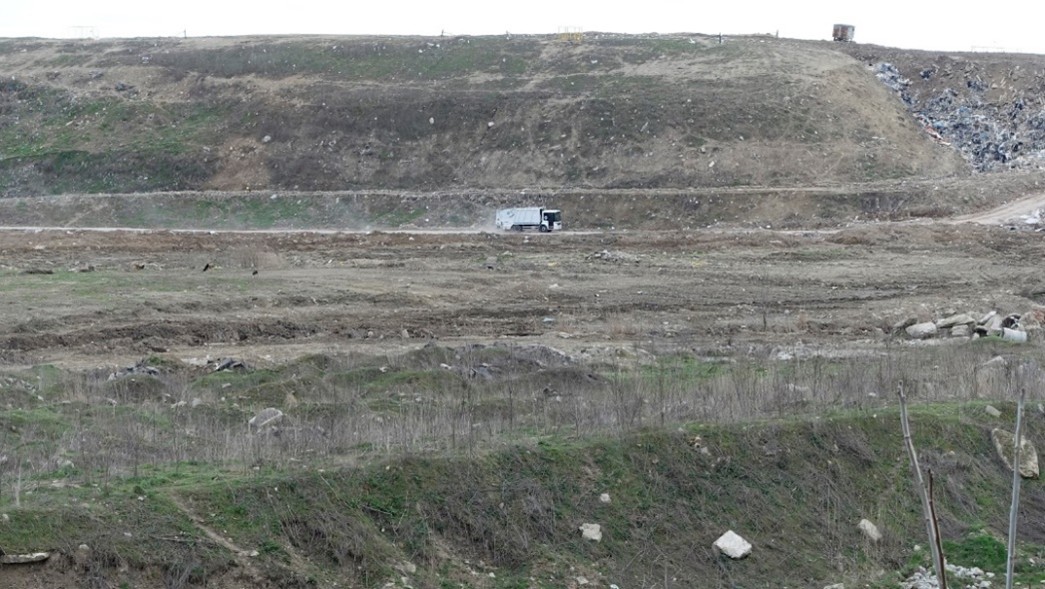
The Glina landfill, southeast of Bucharest (© Ger Duijzings, April 2018).

Despite stringent EU accession requirements (Chapter 27 of the Acquis), these informal and illegal waste flows seem to persist. One could argue that ‘Europeanisation’ means, in these cases, creating ‘backyards’ for the dumping of waste, producing inequities and environmental injustices, and affecting ethnic minorities such as the Roma, who often live near polluting dumpsites and rely on recycling for their survival. Furthermore, this is often facilitated by organised criminal groups who exploit legal loopholes. While the Basel Convention on the Control of Transboundary Movements of Hazardous Wastes and Their Disposal (1992) helped regulate the global hazardous waste trade, it does not cover intra-EU flows, allowing these shady practices to continue.

The British author Ian Sinclair, writing about London, calls these peripheries places “where ugly things happen unseen” (Sinclair 2003). This can be said for Bucharest too, where the city’s fringe hosts some of Europe’s largest landfills (Duijzings 2023). One is in Glina (to the southeast of the city) and was bought by Italian businessmen linked to the Camorra. Over the years, waste from Italy has been discarded here. Another landfill in the northwest of the city has drawn protests over illegal incinerations of waste, which cause high levels of air pollution. Much of the waste comes from within Europe: in a rather unusual move, the environmental activist Octavian Berceanu, who headed the Romanian Environmental Guard for a short period in 2021, intercepted illegal waste shipments from Germany, including hazardous and toxic materials like batteries and asbestos.

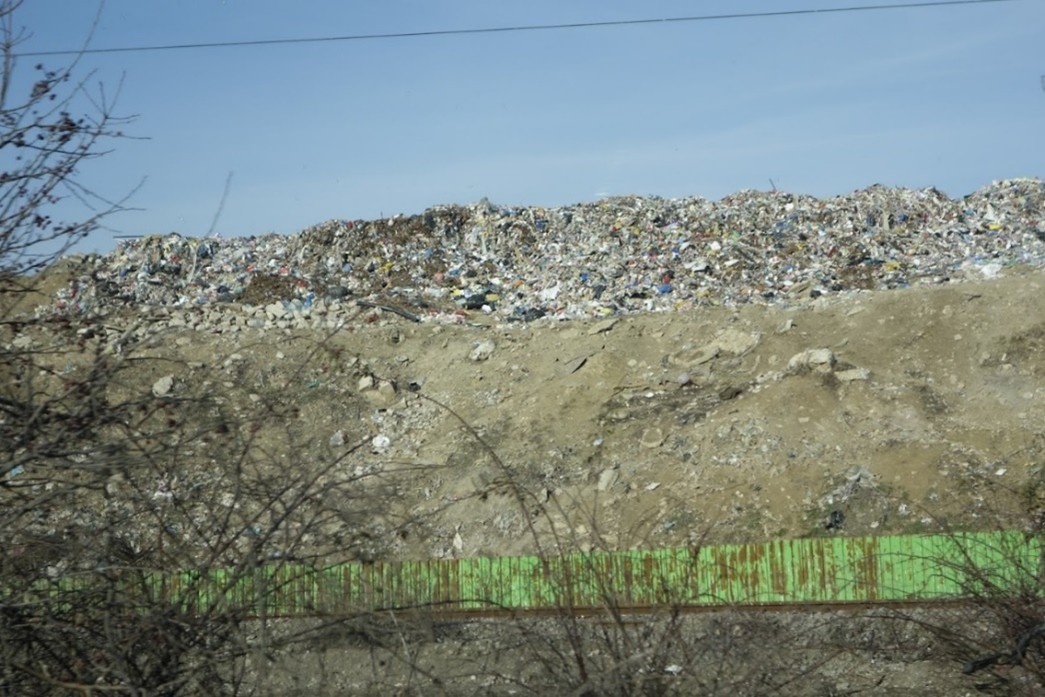
Glina landfill, southeast of Bucharest (© Ger Duijzings, December 2013).

Transnational waste chains cross international borders and run through formal and informal waste regimes, a concept coined by Zsuzsa Gille (2007). They are linked in ‘serial connection’ – with blind spots allowing toxic and hazardous waste to reach the periphery, severely damaging and polluting the environment in both urban and rural zones. Environmental policies are undercut by crime networks or ‘waste mafias’ chasing profit. An Interpol report from 2020 highlighted the rise of this intra-European trade to Central and Eastern Europe after China closed its borders to the waste trade in 2018. This speaks volumes about the structural inequalities existing within Europe. The periphery bears the burden — and its people are deprived of the right to a clean environment.

The notion of ‘wilful blindness’ (Bovensiepen and Pelkmans 2020) describes this situation well, referring to state of deliberate not-knowing. The lack of research on intra-European waste flows is part of this blindness. But there is hope too: international efforts (by crime control organisations like Europol and Interpol) are underway to document and prosecute these malpractices; they are assisted by citizens’ protests and environmental activism across the region, rooted in local and vernacular knowledge, which have emerged as a response to the grave challenges posed by illegal waste disposal and the regimes, both formal and informal, which support it.

(This is an abridged and updated version of a keynote address held in Gießen, at the Graduate Centre for the Study of Culture (GCSC), Justus-Liebig-Universität (JLU), 22 May 2025.)

References and further reading (and viewing)

Anesi, Cecilia, Giulio Rubino and Delphine Reuter. 2011. Toxic Europe. Documentary film (Winner of the “Best International Organised Crime Report” Award 2011).

Bovensiepen, Judith & Mathijs Pelkmans. 2020. “Dynamics of wilful blindness: An introduction.” Critique of Anthropology, 40(4), 387-402.

Clapp, Alexander. 2025. Waste wars: the wild afterlife of your trash. New York: Little, Brown and Company.

Duijzings, Ger. 2023. “Bucharest’s centura: encircling a city in transformation”. In: Ger Duijzings and Tauri Tuvikene (eds.), If cars could walk: postsocialist streets in transformation (with Tauri Tuvikene eds.). New York: Berghahn Books, 106-35.

Europol. 2025. European Union serious and organised crime threat assessment: The changing DNA of serious and organised crime. Luxembourg: Publications Office of the European Union (see particularly p.66).

Gille, Zsuzsa. 2007. From the cult of waste to the trash heap of history: The politics of waste in socialist and post-socialist Hungary. Bloomington: Indiana University Press.

Grosz, Mirina. 2011. Sustainable waste trade under WTO law. Chances and risks of the legal frameworks’ regulations of transboundary movements of waste. Leiden: Marinus Nijhoff.

Interpol. 2020. Strategic Analysis Report. Emerging criminal trends in the global plastic waste market since January 2018. Public version. Lyon: Interpol (see particularly pp.30-31).

Mirowski, Jakub. 2026. “Landfill land: Romania is still struggling to manage its waste”. In BalkanInsight, Balkan Investigative Reporting Network (BIRN), 11 March 2026.

Pratt, Laura A. 2011. “Decreasing dirty dumping? A reevaluation of toxic waste colonialism and the global management of transboundary hazardous waste”. In: William and Mary Environmental Law and Policy Review, 35(2), 2011, 581-623.

Sinclair, Ian. 2003 (2002). London Orbital: A walk around the M25. London: Penguin Books.

Stojanovic, Milica. 2024. “European Union agrees controversial lithium mining project with Serbia”. In BalkanInsight, Balkan Investigative Reporting Network (BIRN), 19 July 2024.


GDPR Cookie Consent with Real Cookie Banner